Cremation has become an increasingly popular practice in the Western world over the past few decades. Rising funeral costs, limited cemetery space, and environmental concerns are leading many families to consider cremation as a practical and respectful alternative to traditional burial.
However, for many Christians, this topic remains controversial, raising important questions about faith and tradition.
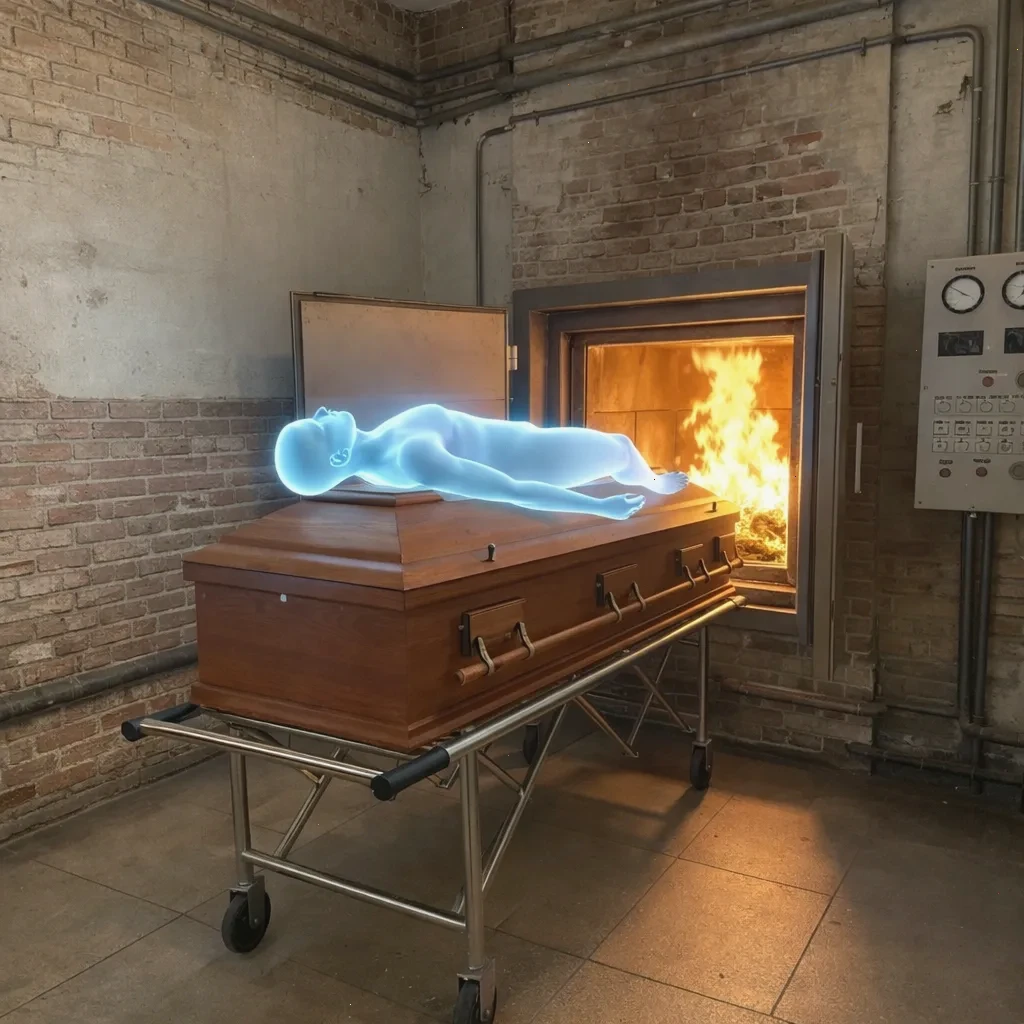
Cremation: Context and Background
Cremation, as a method of body disposition, has a long history. It has been practiced in many cultures throughout time. However, within Christianity, burial has traditionally been the preferred method.
The Bible does not explicitly forbid cremation. Instead, it primarily references burial as a customary and respected practice. For example:
- Abraham was buried
- Moses was buried
- Jesus Christ was buried
These examples highlight tradition, but they do not establish a strict prohibition against cremation.
What It Means in Practice
Modern theological perspectives suggest that cremation does not affect salvation or resurrection. Many pastors and theologians agree that cremation is no longer associated with pagan rituals as it once was.
For many Christians today, the key concern is that the body returns to the earth in a way that aligns with their beliefs and values.
In practice, families who choose cremation can still honor the deceased in meaningful ways. For example, some organize memorial ceremonies before cremation, including prayers, readings, and personal tributes. This preserves respect for the body and the person’s life.
Analysis and Implications
Cremation can evoke strong emotions among Christians. Traditionally, burial symbolizes respect for the body, often referred to as the “temple of the Holy Spirit.”
However, many theologians emphasize that it is the soul—not the physical remains—that holds primary importance before God. This perspective opens the door to viewing cremation as an acceptable option.
Additionally, cremation is often considered:
- More cost-effective
- More environmentally friendly
- Less dependent on land use
Modern crematoriums frequently use technologies that reduce harmful emissions, making cremation a more sustainable option.
Practical Considerations
If you are deciding between cremation and burial, consider the following steps:
- Discuss with family — Understand the views and concerns of your loved ones
- Research local regulations — Laws and practices may vary by region
- Plan meaningful rituals — Memorial services, ceremonies, or symbolic acts
- Consult a spiritual advisor — A pastor or religious leader can provide guidance
Families may also choose what to do with the ashes:
- Place them in a columbarium
- Keep them in an urn
- Scatter them in a meaningful location
These choices can create a lasting emotional connection and tribute.
Possible Challenges
While cremation offers flexibility, it may also create tension within families, especially where traditional beliefs are strong.
Some relatives may feel uncomfortable or opposed to cremation on religious grounds. This is why open communication is essential before making a final decision.
Different Christian denominations may also have varying perspectives, so it’s important to consider your specific faith community.
FAQ
1. Is cremation a sin in Christianity?
No. The Bible does not prohibit cremation, so it is generally not considered a sin. The decision is left to the individual or family.
2. Why do people choose cremation?
Common reasons include:
- Lower cost
- Limited cemetery space
- Environmental concerns
3. Does cremation affect resurrection?
Most theologians agree that the form in which the body returns to the earth does not affect resurrection.
4. How should one prepare for cremation?
- Explore available options
- Discuss plans with family
- Contact professionals or funeral services
5. Is there a religious difference between burial and cremation?
Burial remains the traditional practice, but cremation is increasingly accepted in modern Christianity.
Final Thoughts
Choosing between cremation and burial is a deeply personal decision. It depends on your beliefs, values, and circumstances.
The key takeaway is clear: cremation does not determine one’s spiritual outcome. What matters most is faith, respect, and the intention behind the decision.